1. Pyramid of the Sun: The Earth's Heartbeat
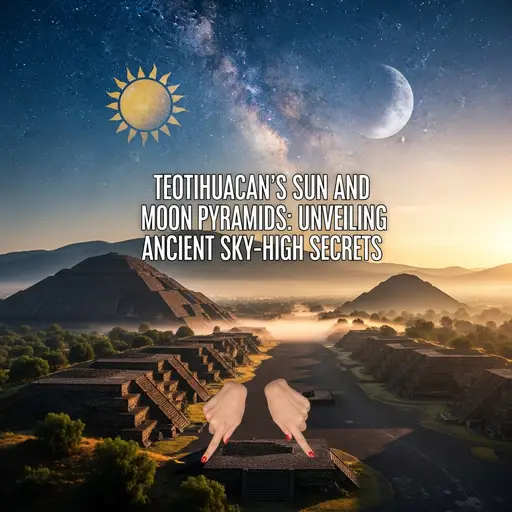
The Pyramid of the Sun stands as a testament to Teotihuacan's architectural prowess. Nearly as tall as the Great Pyramid of Giza, its construction is a marvel of engineering. This massive stepped pyramid is believed to have been aligned with celestial events, demonstrating the deep astronomical knowledge of its builders. Its base covers 220,000 square meters, making it one of the largest structures of its kind in the ancient world. The exact purpose remains debated, but its sheer scale suggests immense religious and civic importance.
2. Pyramid of the Moon: Celestial Gateway
Positioned at the northern end of the Avenue of the Dead, the Pyramid of the Moon is intricately linked to the surrounding landscape. Its design mirrors the volcanic peaks that frame Teotihuacan, suggesting a profound connection to the natural world. Archaeological findings within the pyramid, including sacrifices and intricate offerings, point to its role in ritualistic ceremonies, possibly related to creation myths and the underworld. The pyramid's facade is adorned with sophisticated sculptures, adding to its mystique.
3. Astronomical Alignments: Cosmic Precision
Both pyramids exhibit precise astronomical alignments, a hallmark of Teotihuacan's sophisticated understanding of the cosmos. The Pyramid of the Sun is thought to be aligned with the equinoxes, allowing for precise solar observations. The Pyramid of the Moon's alignment is believed to correspond with the 'staircase effect' during the autumn equinox, where sunlight appears to descend the pyramid's face, creating a dramatic visual spectacle. These alignments underscore the integral role of astronomy in the religious and cultural life of the civilization.
4. The Avenue of the Dead: Sacred Thoroughfare
This grand avenue, stretching for miles, connects the major ceremonial structures of Teotihuacan, including the Pyramid of the Moon and the Pyramid of the Sun. Lined with smaller pyramids, temples, and residential complexes, it served as the city's ceremonial and political axis. Its name, given by the Aztecs much later, reflects the belief that it was a pathway to the afterlife, further cementing its sacred significance. The precise planning of this thoroughfare highlights the organized urban planning of Teotihuacan.
5. Tunnel Beneath the Pyramid of the Sun: Underworld Passage
A remarkable discovery beneath the Pyramid of the Sun is a man-made tunnel, theorized to represent the underworld or the womb of creation. Its four chambers and intricate carvings suggest a deliberate symbolic purpose, possibly linked to rituals of rebirth or the cosmogonic beliefs of the Teotihuacanos. The carefully constructed nature of this subterranean passage offers a rare glimpse into the spiritual world of this ancient society. Its discovery has profoundly impacted our understanding of Teotihuacan's ritualistic practices.
6. Obsidian Offerings: Ritualistic Significance
Numerous obsidian artifacts, including blades and ceremonial objects, have been unearthed within and around the pyramids, revealing their importance in ritualistic offerings. Obsidian, a volcanic glass, held significant cultural and religious meaning for Mesoamerican civilizations. These offerings were likely part of ceremonies aimed at appeasing deities, ensuring fertility, and maintaining cosmic order. The abundance of obsidian highlights the trade networks established by Teotihuacan.
7. The Citadel: Power and Ceremony Hub
The Citadel, a large, enclosed plaza at the southern end of the Avenue of the Dead, houses the Temple of the Feathered Serpent. This complex served as the primary political and religious center of Teotihuacan. The Temple of the Feathered Serpent features striking sculptures of this deity, showcasing the civilization's pantheon. The sheer scale and elaborate decoration of the Citadel indicate its central role in the governance and ceremonial life of the vast urban sprawl of Teotihuacan.