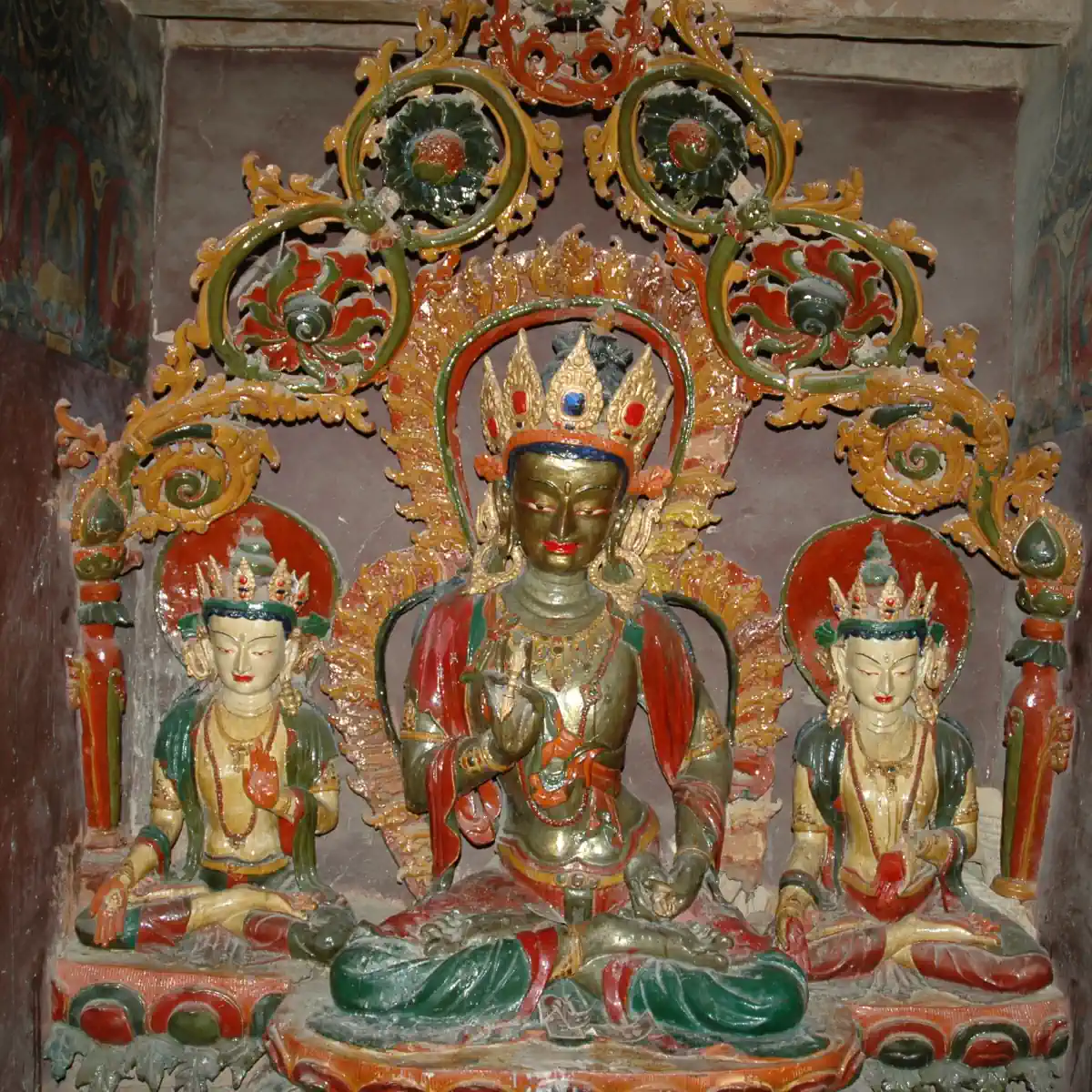
01. Right understanding, belief or view (Pali: Sammā diṭṭhi, Sanskrit: Samya dristi). Relating to wisdom (Paññā).
This path factor is, for example, understanding, or more importantly knowing, of the four noble truths. (see below link). where one should come to understand, after some insight, that all is subject to arising is subject to ceasing and become comfortable with that.
Learning then knowing teachings such as dependent origination, karma, impermanence, selflessness, and emptiness.
Right View in involves seeing that that there are causes to suffering and having . These causes are our thoughts, ideas, labels, and perceptions which are incorrect and delusional a clear conception of the transitoriness, suffering nature, and egoless nature or essencelessness of all conditioned existence. Right View involves understanding that there is a way to transcend this suffering.
All compound things are impermanent; those who realize this through insight wisdom are freed from suffering. This is the path that leads to purity.
All compound things have suffering as their nature; those who realize this through insight-wisdom are freed from suffering. This is the path that leads to purity.
All states are without self those who realize this through insight-wisdom are freed from suffering. This is the path that leads to purity.
02. Right thought, aspiration, resolution or intention (Pali: Sammā sankappa, Sanskrit: Samyak saṃkalpa). Relating to wisdom (Paññā).
This path factor explains that what we are is the result of what we have thought, it is founded on our thoughts, it is made up of our thoughts. If a person speaks or acts with a pure thought, happiness follows the person like a shadow that never leaves. Should our aspiration then not be based on the right thoughts?
When we become fully aware of the suffering, loving kindness and compassion flourishes.
03. Right speech (Pali: Sammā vācā, Sanskit: Samyag-vāc). Relating to right or ethical conduct. Relating to morality (Sīla).
The practice of all the bodhisattvas is to avoid harsh words, which others might find unpleasant or distasteful, since abusive language upsets the minds of others, and thereby undermines the conduct of the bodhisattva.
If you know anything that’s hurtful and untrue, do not say it. If you know anything that is helpful and untrue, do not say it. If you know anything that is hurtful and true, do not say it. If you know anything that is helpful and true, find the right time.
04. Right action (Pali: Sammā kammanta, Sanskrit: Samyak-karmānta). Relating to right or ethical conduct. Relating to morality (Sīla).
This item for example involves no killing or causing to kill, no stealing, no sexual misconduct, and no taking of drugs. i.e. Trying not to harm yourself or others, right understanding will lead to this.
Do that which promotes harmony and unity, not divisiveness and separation.
05. Right livelihood or living (Pali: Sammā ājīva, Sanskit: Samyag-ājīva). Relating to right or ethical conduct. Relating to morality (Sīla).
This is about creating a life from something which will harm others, and living that life and also refraining from doing anything that might transgress the five precepts i.e. do not kill, steal, indulge in sexual misconduct, do not make false speech, do not take intoxicants.
06. Right effort (Pali: Sammā vāyāma, Sanskrit: Samyag vyāyāma). Relating to mental discipline. Relating to concentration (Samādhi).
This path factor is about nurturing the will to prevent unwholesome states of mind from arising. Right effort is the drive of the practitioner to seek to do good and to reach insights on the path to enlightenment.
Not to let an unwholesome thought arise, which has not yet arisen, do not let an unwholesome thought continue, which has already arisen, make a wholesome thought arise, which has not yet arisen, make a wholesome thought continue, which has already arisen.
07. Right mindfulness or thinking (Pali: Sammā sati, Sanskrit: Samyak smṛti). Relating to mental discipline. Relating to concentration (Samādhi).
This path factor is about being aware and attentive with regard to activities of the body such as sensations or feelings, and being aware of activities of the mind, ideas, thoughts, conceptions, and emotions, all this without judgment or interpretation.
No matter what one might be doing, by watching always the status of your mind, with continuous mindfulness and alertness, your will bring about the good of others, this is the practice of all the bodhisattvas.
08. Right concentration or peace of mind via meditation (Pali: Sammā-samādhi, Sanskrit: Samyak samādhi). Relating to mental discipline. Relating to concentration (Samādhi).
According to this path factor, the practice of all the bodhisattvas is to cultivate concentration, which utterly transcends the four formless absorptions, in the knowledge that mental afflictions are overcome entirely through penetrating insight suffused with stable calm.
The four jhanas supported and facilitated by the other seven factors of the Noble Eight-fold Path are the cornerstone of right concentration.